

Cultural Immersions in Madagascar: Experience Unique Heritage
- Oct 31, 2025
- 4 min read
Updated: Nov 3, 2025
Madagascar offers more than just stunning landscapes and rare wildlife. Its rich cultural heritage invites travelers to dive deep into traditions, rituals, and daily life that have shaped the island for centuries. Experiencing Madagascar’s culture firsthand reveals stories of diverse ethnic groups, ancient customs, and vibrant arts that make this island truly unique.
Discovering Madagascar’s Ethnic Diversity
Madagascar is home to 18 main ethnic groups, each with distinct languages, customs, and histories. The Merina people, who live in the central highlands around Antananarivo, are known for their royal traditions and historic palaces. The Betsileo, also from the highlands, have a reputation for skilled rice farming and intricate wood carving.
Along the east coast, the Betsimisaraka community thrives with fishing and boat-building traditions. In the south, the Antandroy people live in arid regions and maintain unique rituals related to cattle herding and ancestor worship. Each group contributes to the island’s cultural mosaic, offering visitors a chance to explore different ways of life.
Spending time in local villages allows travelers to witness traditional ceremonies, taste regional dishes, and learn about family structures that emphasize respect for elders and community bonds. These experiences go beyond sightseeing, creating meaningful connections with Malagasy people.
Traditional Music and Dance
Music and dance play a central role in Malagasy culture. The hira gasy, a traditional performance combining storytelling, music, and dance, often takes place during festivals and important community events. Performers use instruments like the valiha, a bamboo tube zither, and the marovany, a box zither, to accompany their songs.
In coastal areas, the salegy rhythm energizes celebrations with fast-paced guitar and percussion beats. Visitors can join in dance sessions or watch performances that showcase local history and social values through movement and song.
These cultural expressions are not only entertainment but also a way to pass down knowledge and preserve identity. Participating in or observing these events offers insight into Malagasy worldviews and social life.
The Role of Ancestor Worship and Famadihana
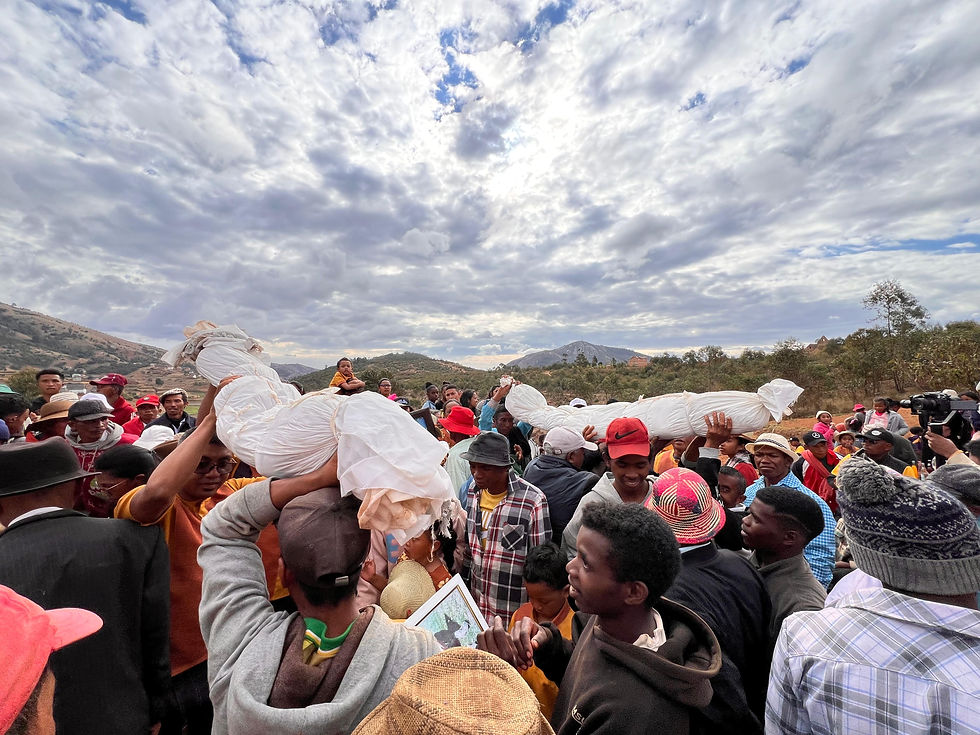
Ancestor worship remains a vital part of Malagasy spirituality. The famadihana, or “turning of the bones,” is a unique funerary tradition practiced mainly by the Merina and Betsileo. Every few years, families exhume the remains of their ancestors, rewrap them in fresh silk cloth, and celebrate with music, dancing, and feasting.
This ritual strengthens family ties and honors the connection between the living and the dead. It also reflects the Malagasy belief that ancestors continue to influence the wellbeing of their descendants.
Travelers who witness famadihana gain a deeper understanding of how Malagasy people view life, death, and community. Respectful participation or observation of this ceremony can be a profound cultural experience.
Malagasy Cuisine as a Cultural Window
Food in Madagascar reveals much about its history and environment. Staples like rice, cassava, and zebu (local cattle) form the basis of many meals. Dishes such as romazava, a meat and greens stew, and ravitoto, made from cassava leaves and pork, highlight local ingredients and cooking methods.
Street markets offer fresh fruits like lychee, mango, and jackfruit, alongside spices that reflect Indian and African influences. Sharing meals with Malagasy families or at local eateries provides a chance to taste authentic flavors and learn about food customs.
Food also plays a role in social gatherings and rituals. For example, during famadihana, special dishes are prepared to honor ancestors and guests. Exploring Malagasy cuisine enriches cultural immersion by engaging the senses and fostering social connections.
Handicrafts and Artistic Traditions
Madagascar’s artisans produce a wide range of crafts that reflect cultural identity and natural resources. Wood carving is especially prominent in the highlands, where skilled craftsmen create intricate doors, furniture, and sculptures often decorated with symbolic motifs.
In coastal regions, weaving and basketry use materials like raffia and pandanus leaves to make mats, hats, and bags. Jewelry made from shells, stones, and metals also carries cultural significance.
Visiting artisan workshops or markets allows travelers to see the creative process and support local economies. These crafts serve as both functional items and expressions of Malagasy heritage, preserving techniques passed down through generations.
Festivals and Community Life
Madagascar’s calendar is filled with festivals that celebrate history, religion, and nature. The Alahamady Be marks the Malagasy New Year with ceremonies, music, and family reunions. The Donia Festival on Nosy Be island showcases music and dance from across the Indian Ocean region.
Community events often include sports, storytelling, and traditional games. These gatherings strengthen social bonds and offer visitors a chance to engage with locals in joyful settings.
Participating in festivals provides a window into Malagasy values such as hospitality, respect for ancestors, and connection to the land. These moments highlight the warmth and resilience of the island’s people.
Practical Tips for Cultural Immersion
To make the most of cultural experiences in Madagascar, consider these tips:
Learn basic Malagasy greetings and phrases to show respect and openness.
Dress modestly, especially in rural areas and during ceremonies.
Ask permission before photographing people or sacred sites.
Be patient and flexible; cultural practices may differ from your expectations.
Support local businesses by buying crafts directly from artisans.
Join guided tours led by Malagasy experts to gain deeper insights.
Engaging with culture respectfully enriches travel and fosters mutual understanding. Madagascar’s heritage offers countless opportunities for meaningful encounters beyond typical tourist paths.
Exploring Madagascar’s cultural heritage reveals a world shaped by diverse peoples, ancient traditions, and vibrant creativity. From music and dance to food and festivals, each experience connects visitors to the island’s soul. Embracing these cultural immersions transforms a trip into a journey of discovery and connection. Consider planning your visit around local events or arranging homestays to deepen your understanding. Madagascar’s unique heritage awaits those ready to explore beyond the surface.


Comments